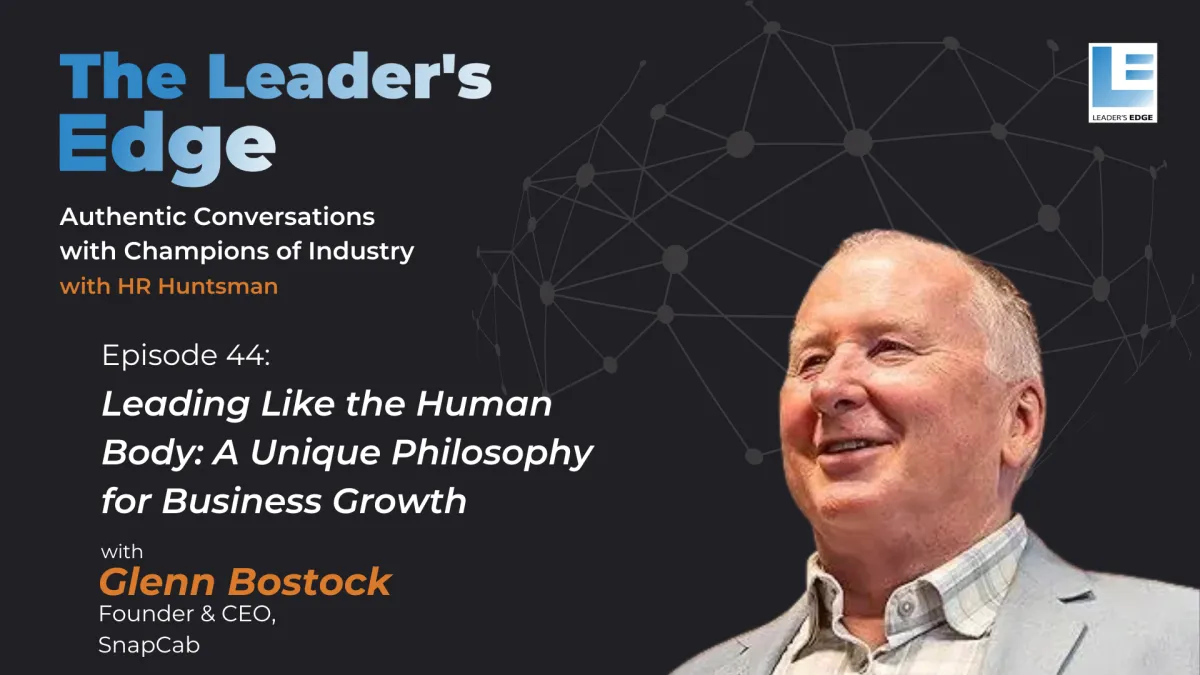
44 - Leading Like the Human Body: A Unique Philosophy for Business Growth
Building a Human-Centered Business: Leadership Lessons from SnapCab
In this episode of Scaling Smarter: The Leader’s Edge Podcast, host HR Huntsman sits down with Glenn Bostock, Founder and CEO of SnapCab, to discuss a radical shift in how we define organizational success. Glenn, the author of The Human Business, shares his transformative journey from a struggling student with learning disabilities to the head of a $30 million architectural product company. This conversation offers a profound look at how leaders can build high-performing cultures by rewarding mistakes, aligning passion with market needs, and treating an organization like an interconnected living organism rather than a rigid hierarchy.
Scaling Through Systems and Psychological Safety
Building a scalable business requires a fundamental shift from individual heroics to robust, repeatable systems. Glenn Bostock emphasizes that true growth occurred at SnapCab only when he stepped away from being a hands-on operator to focus on "working on the business" through documented processes and Lean manufacturing principles. By implementing Standard Operating Procedures (SOPs), Glenn empowered his team to execute complex tasks with precision, allowing the company to grow 30% year-over-year. This systemic approach doesn't just drive efficiency; it provides the clarity necessary for employees to thrive in their roles without the constant need for top-down intervention.
A cornerstone of this "human-centered" model is the intentional creation of psychological safety, where mistakes are not merely tolerated but are actually rewarded. At SnapCab, "mistake boards" are used daily to identify system failures, turning errors into immediate opportunities for innovation rather than sources of shame. This approach mirrors the human immune system: when the "body" feels pain (a mistake), the "nervous system" (communication channels) alerts the "brain" (leadership) to address the issue instantly. By dedicating one hour of every workday to process improvement, Glenn has fostered a culture where the frontline staff—the "hands" of the organization—are the primary drivers of continuous improvement.
Ultimately, the return on investment for a caring, purpose-driven culture is reflected in SnapCab’s impressive retention and productivity metrics. Glenn notes that engaged, purpose-driven workers are significantly more productive than those who are simply task-oriented. By hiring for core values—being kind, authentic, and useful—rather than just credentials, leaders can build a resilient "immune system" for their business. This strategy proves that profit is a natural byproduct of a healthy, interconnected organization that prioritizes the well-being and growth of its people above all else.
About Glenn Bostock
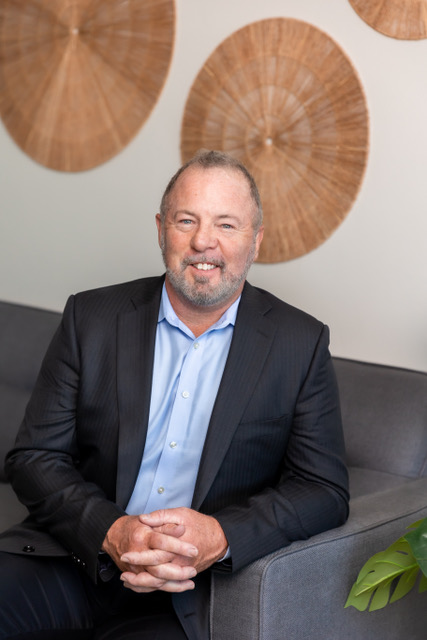
Glenn Bostock is the Founder and CEO of SnapCab and a leading voice in the movement to humanize the workplace. After overcoming early academic struggles, he applied his passion for woodworking and design to create a revolutionary elevator interior system, eventually expanding into office "pods" and architectural walls. As the author of The Human Business, Glenn is dedicated to teaching other leaders how to cultivate high-engagement cultures through Lean principles and empathetic leadership.
About SnapCab
SnapCab is a premier manufacturer of modular architectural products, specializing in high-quality elevator interiors, office privacy pods, and wall systems. Since its founding in 1997, the company has grown from a small custom shop into an industry leader known for its "useful, kind, and authentic" approach. SnapCab is celebrated for its commitment to Lean manufacturing and its unique organizational culture that empowers every employee to be a problem-solver and innovator.
Links Mentioned in This Episode
Guest Company: SnapCab
Guest LinkedIn: Glenn Bostock on LinkedIn
Key Episode Highlights
The "Mistake Board" Framework: How rewarding the reporting of errors creates an immune system for your business that prevents systemic failure.
Functional Interconnectedness: Why viewing your company as a "human body" rather than a top-down org chart facilitates faster problem-solving.
Lean for Culture: Using Lean manufacturing tools not just for products, but to reduce the "waste" of employee frustration and disengagement.
Values-Based Hiring: The lessons learned from hiring MBAs who lacked cultural fit and shifting to a "Kind, Authentic, Useful" rubric.
Daily Improvement Cadence: The strategic advantage of giving every employee one hour a day specifically to work on their job, not just in it.
Conclusion
Glenn Bostock’s philosophy challenges the traditional notions of corporate rigidity, proving that a business can be both profoundly profitable and deeply human. By shifting focus toward systems that support people and celebrating the learning that comes from failure, leaders can create an environment where growth is both sustainable and meaningful.
To discover more strategies for scaling your business and sharpening your leadership skills, visit Your Leader’s Edge for resources tailored to your growth.
Are you a founder or executive with a powerful story of growth and resilience? We’d love to hear from you. Apply to be a guest on Scaling Smarter: The Leader’s Edge Podcast here.